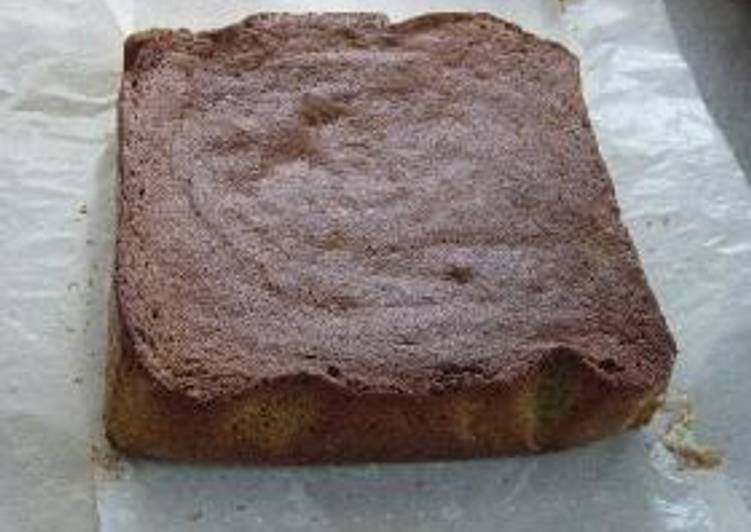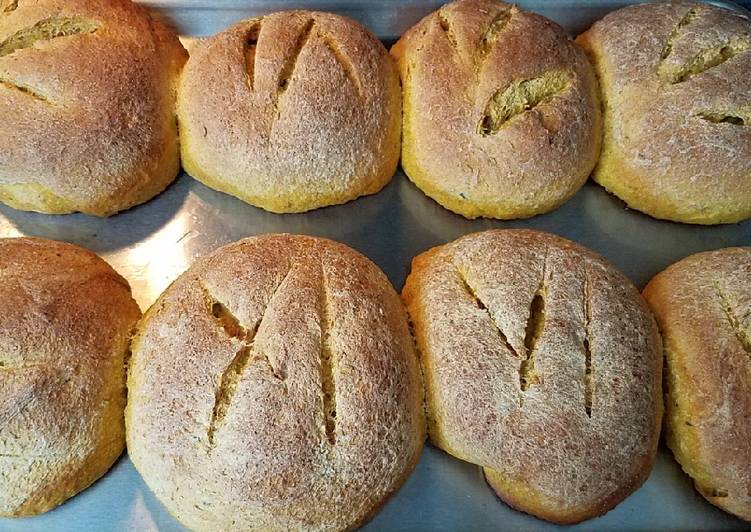
Hello everybody, it is Louise, welcome to my recipe site. Today, I’m gonna show you how to make a distinctive dish, kabocha squash kamut/spelt sourdough bread. One of my favorites. This time, I am going to make it a bit tasty. This will be really delicious.
They pointed out that their strengths counter balance the weaknesses of the other flour. I have both grains so I milled up some flour and set out to make some bread. This video shows how to make a sourdough bread from all varieties of ancient wheats like Spelt, Kamut/Khorasan, Einkorn, Emmer, etc. in a very easy way.
Kabocha Squash Kamut/Spelt sourdough bread is one of the most popular of recent trending meals in the world. It’s enjoyed by millions daily. It’s easy, it’s fast, it tastes delicious. They are fine and they look wonderful. Kabocha Squash Kamut/Spelt sourdough bread is something that I have loved my entire life.
To get started with this recipe, we must first prepare a few components. You can have kabocha squash kamut/spelt sourdough bread using 12 ingredients and 8 steps. Here is how you can achieve that.
The ingredients needed to make Kabocha Squash Kamut/Spelt sourdough bread:
- Get 1 kabocha squash, cubed
- Get 5 cups organic kamut, freshly milled
- Take 5 cups organic spelt, freshly milled
- Get 2 cups sourdough starter
- Get 2 cups Greek yogurt or just filtered water
- Prepare 3 Tsp olive oil
- Prepare 4 cups filtered water
- Get 3 tsp salt
- Take 1 Tsp mulberry syrup or honey
- Make ready 3 tsp cumin seeds, optional
- Make ready 2 Tsp teff or sesame seeds, optional
- Get 6-7 cup Organic unbleached all purpose flour
Spelt kamut sourdough made with tangzhong water or milk roux makes soft bread with crispy crust that stays fresh. I came up with the recipe for this bread after baking countless loaves of sophisticated sourdoughs using the Tartine method. Kabocha (/kəˈboʊtʃə/; from Japanese カボチャ, 南瓜) is a type of winter squash, a Japanese variety of the species Cucurbita maxima. It is also called kabocha squash or Japanese pumpkin in North America.
Steps to make Kabocha Squash Kamut/Spelt sourdough bread:
- Steam cubed kabocha squash in a steamer for 25 minutes until a fork easily poke through. Cool down to room temperature.
- Mash steamed squash in a food processor or manually using a fork.
- Mix together all wet ingredients and then add freshly milled ancient grain flours, such as spelt and kamut. If you don't have them, just use whole wheat flour or all purpose flour.
- Knead the dough until smooth and your hands are clean too. Divide the dough into 3 equal pieces and place each dough in a pre oiled bowl to proof.
- After about 4 hours when the dough is double its size.
- Knead the dough and shape them into your desired styles. Proof a second time for about 2 hours.
- Preheat the oven to 375F and bake for about 30 minutes. Score the bread before baking.
- Sourdough bread keeps well in the room temperature for 3 days and 2 weeks in a fridge and longer in a freezer.
Amongst the many squash varieties, kabocha probably tastes the sweetest. Its rich texture and flavor is akin to a sweet potato and a pumpkin combined. The green outer skin may look. I had never attempted to cook kabocha squash as I had heard a lot of how inconvenient it was to cut and prepare it at home. But in reality, I realized that it is SO EASY to prepare kabocha squash- prebaking it is the KEY to easing this process.
So that is going to wrap this up with this exceptional food kabocha squash kamut/spelt sourdough bread recipe. Thank you very much for your time. I am sure that you can make this at home. There is gonna be more interesting food at home recipes coming up. Don’t forget to save this page in your browser, and share it to your family, colleague and friends. Thank you for reading. Go on get cooking!